
This article contains an Amazon affiliate link. As an Amazon Associate I earn from qualifying purchases.
Addiction is a scary thing, especially when you want to be in recovery. I know it firsthand, and that’s why I wrote Behind the Mask: The Hidden Struggles of a Functional Addict.
What I’m most concerned about is that we don’t understand what triggers us to relapse. Being a recovery coach, I understand that relapse is part of the recovery process. But many people don’t admit it or accept it. They tell us, oh, abstinence is everything.
I’m here to tell you, as someone in recovery who has slipped back and forth, every time I counted it back to day one, I always faltered. Counting days sometimes doesn’t work for everyone.
So if relapse is part of the process of addiction, and we accept that it’s going to happen, what stops it from happening? You have to believe in yourself. One of my mottos is love yourself, trust yourself and believe in yourself. And if you don’t, who will?
The point of this article is to show that recovery is a long process. It’s not like a magic wand where you say, oh, I’m gonna stop. Life happens.
And life is what triggers people. Stress, anxiety, paying bills. Maybe you lost your home, or you’ve been struggling to keep your home or find a job. A loved one passes away. When you have an addiction, those are the things that trigger you.
People have vices. People drink, people smoke. Everyone has a vice. But when it comes to addiction, it’s very tricky. You slip and slide, because life keeps going, and sometimes life beats us up. It’s not easy out here.
I have a mother in a nursing home, and I’m her only child. This stresses the hell out of me.
Maybe that’s a sign that I have pressure, and that’s the reason why I slipped. I have all these businesses. I have all these projects. I have a mother in a nursing home. Of course I’m gonna slip and slide.
But I’m learning within myself that to release it, you have to tell someone. And it has to be someone who’s not judgmental. Someone who doesn’t quickly assume, oh my gosh, you’re going to use drugs again. When you have the strength to tell someone, hey, I need help, I’m feeling this way, I’m having thoughts, they’re supposed to support you. They’re not supposed to micromanage you or make you feel like it’s the end of the world. Because what do micromanaging friends and family members do? They push you back to addiction.
They have to understand that addiction and relapses are part of the process. And if I do choose, and it’s a choice, to slip back and have a relapse, it’s okay.
Here’s what I’ve done. I let friends know I’m having the feeling. But if you act on it, you have to understand why you’re acting on it. It’s all about the intention, if you’re going through something, if you’re feeling an emotion.
Addiction is all about being seen. When people see you and understand your life struggles, and they don’t negate those struggles, you begin to appreciate the struggle. I know that sounds crazy. But it’s so you know you have a support network that isn’t judging you. Yes, sometimes we need to borrow money. But if people know you’re working toward your goal, they’ll be willing to help.
You have to be honest with yourself when you’re going through this. Recovery is a process, and you are going to slip. But as a recovery coach, I believe in acknowledging every slip, meaning accountability for the slip.
And don’t act like you won’t, because I’m one who will tell you, you will. You’ll play it in your mind and give yourself every freaking excuse for why you’re doing it. I’m only gonna do it once. Oh, it’s just once. Yes, and that once becomes a grander scale.
But if you do slip, and it’s that one time, once it’s over, don’t feel guilty. Because you know why? When you start defining why you did it, the next relapse will be further away from the first one. I’m not saying every relapse is going to be far from the next. But when you have an intention to stop or slow down, the distance between each relapse will get bigger and bigger. And eventually, one day, it won’t even cross your mind when you have a problem.
I’m a recovery coach. I’m not saying I’m perfect, and I’m not saying I know all the answers. But what I can say is, I’m you, and you’re me.
I know what I’m talking about, because recovery coaching is peer to peer. Many recovery coaches out here never did drugs. They want to help, but they don’t know the process. They don’t know the feeling. They don’t know what happens in the middle of the night. And I hate being preached to by somebody who doesn’t know what happens in the middle of the night. Somebody who doesn’t understand your sexual desires and needs as a gay man, when you’ve only had sex on drugs, and how hard it is to stop.
Then you go to these recovery coaching places, and even the coaches who used drugs become very preachy. They become know-it-alls, because they think they’re better since they conquered something. That’s my personal opinion. And that’s why I never did groups. Half the people at group wanted to sleep with me and party after.
It’s especially hard to stop when you become conditioned, just like I wrote about porn. Oh, you need that to be stimulated.
And nowadays people don’t date. We only meet guys through these GPS hookup apps. Dating apps, as they say, and I say that hysterically, while I laugh. It’s hard to stop having sex on drugs, especially when you’re on these apps, and especially in the middle of the night. Hello. What’s that saying? Nothing good happens after midnight. And that is really true.
If you’re horny after midnight and you’re dealing with recovery, what happens? You see party, party, party on the app, and your brain’s dopamine says, oh, you want to be rewarded. And you’re attached to that.
And watching porn is like a reward. If you can’t masturbate to the point of ejaculation without it, it’s because your brain needs the reward. Once you give your brain that reward, then it works. It’s almost like eating chocolate. You’re rewarding your mind, so it gets used to that particular stimulus. And you have to retrain your brain.
Let me be honest. When I log on just to masturbate, I look for the people who are asking to party. I know that’s a trigger, and the wrong thing to do. That’s my example of our brain’s conditioning. I have to condition myself not to want to masturbate to the party profiles.
I wanted to know what the research says about this. In 2006, Nora Volkow and her team scanned the brains of 18 people addicted to cocaine while they watched a video of people smoking cocaine. Just watching it made their brains release dopamine. Their craving rose with their dopamine. And the people with the most severe addictions had the biggest response.
At the University of Cambridge in 2014, Dr. Valerie Voon’s team scanned 19 men with compulsive sexual behavior while they watched porn. The same reward areas lit up that light up in drug addicts when they see drug cues. The men wanted the porn more than the healthy volunteers did, but they didn’t necessarily like it more. The researchers were careful to say this doesn’t prove porn is addictive.
And in 2021, a study in The Journal of Sexual Medicine interviewed 31 men in Italy who’d had chemsex, meaning sex on drugs. Many started out of curiosity, and some kept going because they craved the drugs. Many said sober sex ended up feeling more intimate and rewarding. Others said sober sex was less satisfying, and for some of them, enjoying sex without drugs became hard.
What about endorphins? In 2012, Jennifer Mitchell and Howard Fields at UCSF scanned the brains of 13 heavy drinkers and 12 people who weren’t heavy drinkers. Alcohol released endorphins, the brain’s own feel-good chemicals, in everybody. People who released more endorphins said they felt more pleasure. But only in the heavy drinkers did more endorphins also mean feeling more drunk.
At the University of Michigan, Kent Berridge and Terry Robinson split reward into two parts. Wanting runs on dopamine. Liking, the actual pleasure, runs on the brain’s opioid and endocannabinoid chemicals in a few small pleasure hotspots. The opioid side is the same system endorphins work through. Their theory is that drugs can supercharge the wanting side, and that compulsive wanting can last months or even years.
It’s a scary thing. I’m still working through it, but it is what it is. It’s about honest conversations, and this is why I’m writing this article.
So all I’m trying to say is, if you’re in recovery, have a plan. Have a network. Know that relapse is part of the process, and find somebody who will understand the plan. If you always go back to one, how are you ever going to progress further? Because I know when they talk about business, they say your mistakes make you better. Well, every relapse will make you better if your intention is to stop or do less, because recovery coaching is also about harm reduction.
And I hate the word relapse. It’s part of the process. You made a choice, and you take accountability. But you get back up. It’s just, okay, I did that. I’m in a moment. Life is hitting me hard.
We all freaking have issues. It’s not uncommon. But for those of us who used substances to erase or Band-Aid our stress, it’s harder than for those who never used substances to get through.
And some of you who might be judging buy clothes, drink more, smoke more and eat more because of your stress. Drug addiction just has a negative connotation. If you’re one of those people who are so judgy, look at yourself in the mirror.
If you’re reading this, or you have a family member in recovery, get my book, Behind the Mask: The Hidden Struggles of a Functional Addict. There will be a new edition sooner or later.
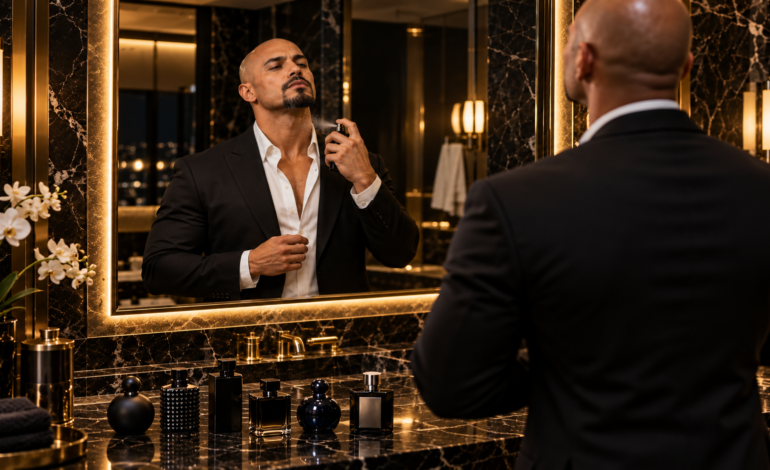
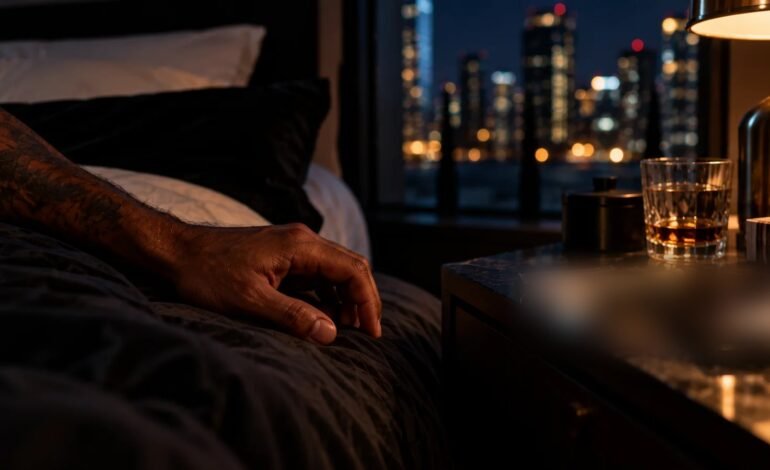
The lead image was created with AI.
And all I can say is, if you’re out here feeling not seen, or alone, know that if you’re reading this article, somebody understands.
Sources: Volkow et al., 2006, Journal of Neuroscience. Voon et al., 2014, University of Cambridge. Nimbi et al., 2021, The Journal of Sexual Medicine. Mitchell, Fields et al., 2012, UCSF. Berridge and Robinson, University of Michigan.
No AI-written articles on OVAH MAG. Every word here is the author’s own. How we work