
Ciarán Gaffey, Founder and Creative Director, Gayer Things
Interview by Corey Wesley
This interview includes words once used as slurs, quoted in the founder’s own words.
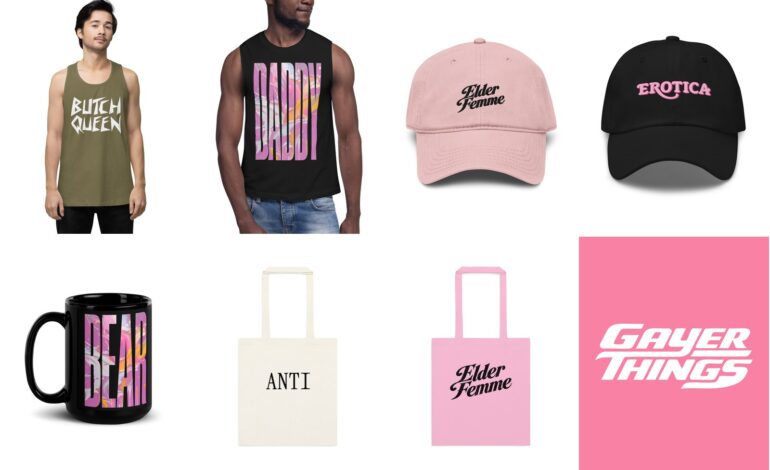
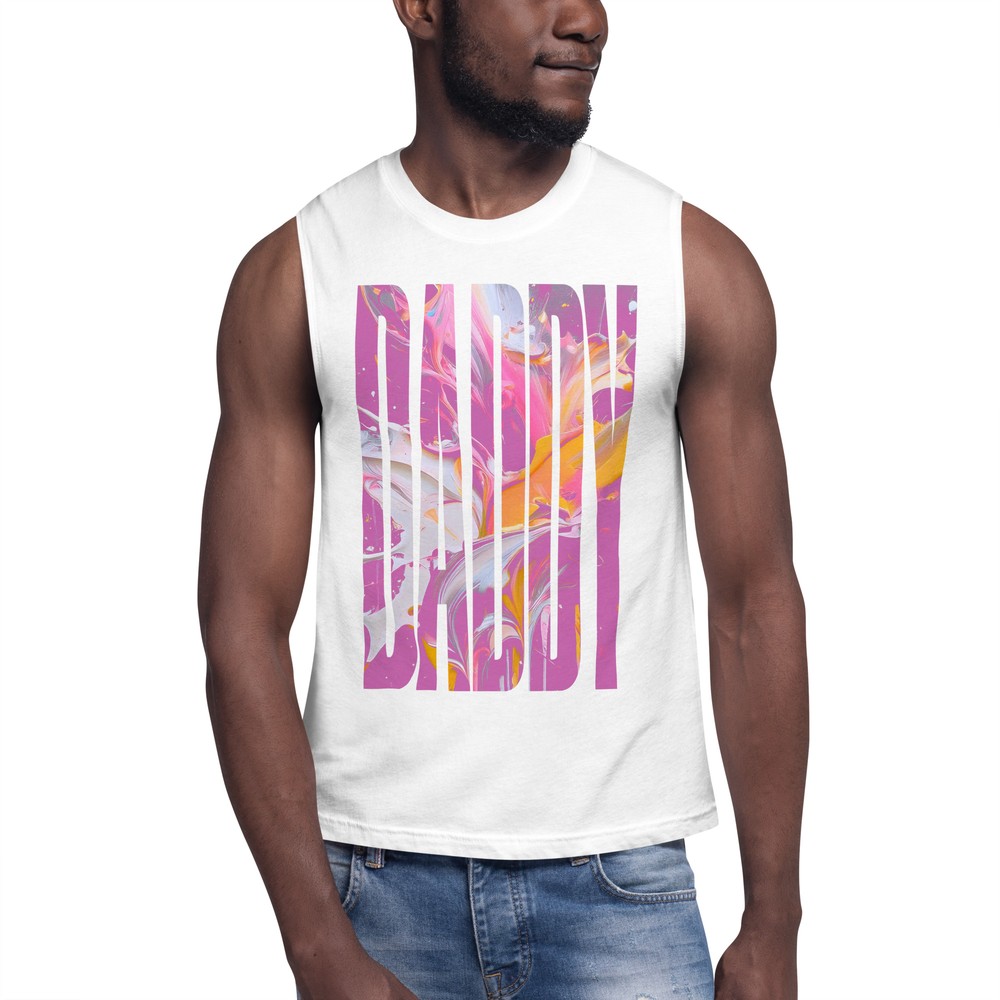
Gayer Things is an independent queer fashion and lifestyle brand based in Berlin and Barcelona. Its founder and creative director, Ciarán Gaffey, is an Irish designer. The label makes caps, T-shirts and mugs printed with words that were once used against LGBTQIA+ people, alongside community terms like bear, daddy and butch. The slogan is “Wear it with pride.”
I love it when designers and artists take something that is perceived as derogatory or negative and transform it into a fashion statement. It’s shocking. It’s not expected. Whether you agree with it or not, the fact that we’re talking about it is what makes this brand somewhat interesting, and it’s why I wanted to talk to them. I just like brands that challenge the status quo, that are unapologetic and unconventional.
I also enjoy the opportunity to make people think. A brand is able to take these derogatory terms and create fashion items around them. Whether you like it or not, it’s something you want to know about, learn about if you’re curious. You want to know more. That was my experience reading the press release and learning more about his brand. I myself wanted to know who’s behind it. Why? I’m happy they gave me an opportunity to interview the designer.
Gayer Things came to OVAH MAG through its communications officer, Tomás Aravena Matamala. I sent the questions to Gayer Things, and the written answers came back in Ciarán’s name.
How did Gayer Things come about? What was happening in your life when you decided to start it?
Gayer Things came from a fallow period in my professional life. Projects were thinning and I wanted to do something that would fulfil me creatively and that would create something that captured a particular side of queer culture that I felt was missing from a lot of LGBTQ+ merchandise.
Historically, gay people have existed on the fringes of mainstream society. We’ve often been the outsiders, the misfits, the people who didn’t quite fit into the mould of what society expected. I think there’s something really interesting about the culture that grew out of that experience. We’ve developed our own language, humour, aesthetics, subcultures and ways of expressing ourselves.
As a gay man and a designer, I’ve always been drawn to that more irreverent, rebellious side of queer culture. I wanted to create a brand that celebrated it.
I felt that a lot of Pride merchandise had become quite safe, predictable and sanitised. There’s nothing wrong with rainbow flags and positive messaging, but I wanted to explore something a little more subversive. Something provocative, cheeky, occasionally shocking and, above all, funny.
Gayer Things is about embracing the things that make us different rather than trying to fit in. It’s about being comfortable with being the outsider, even when the world is becoming more accepting.
Your press kit says the label takes derogatory labels and turns them into symbols of pride. Why did you pick words like that for your caps, T-shirts and mugs? What made you want to take them back?
There’s something wonderfully subversive about taking a word that was intended to hurt you and turning it into something you wear proudly.
For generations, queer people have had labels thrown at them as insults. But we’ve also developed our own language, humour and culture around those words. Sometimes we reclaim them, sometimes we reinvent them, and sometimes we just have fun with them.
I love that contradiction. A word that might once have been used to shame someone can become a badge of identity, a joke between friends or even a fashion statement.
There’s also something quite funny about putting a word that someone might find offensive on a perfectly ordinary baseball cap. It’s unexpected, a little confrontational and that’s part of the appeal.
I’m interested in challenging people’s expectations and making them question why certain words make them uncomfortable in the first place. Language isn’t static. Its meaning can change depending on who’s using it, how it’s being used and the context around it.
Gayer Things works with slurs and also celebrates terms like bear, daddy and butch. How do you decide which words make it onto a piece?
I’m drawn to words that have personality. They might be provocative, funny, sexually suggestive, affectionate or loaded with cultural meaning.
Some are reclaimed slurs, others are terms that have developed their own meaning within different parts of the queer community. I like that mixture because it reflects the diversity and complexity of queer culture.
I don’t think everything needs to be serious or carry a profound message. Sometimes a word is just funny. Sometimes it’s a bit outrageous. Sometimes it makes you laugh because it’s so ridiculous seeing it printed across someone’s chest.
The important thing is that there’s a sense of attitude behind it. I want the collections to have character and make people react, rather than just blend into the sea of generic Pride merchandise.
There’s also a certain amount of instinct involved. If a word makes me laugh, catches my attention or has an interesting cultural association, it’s probably worth exploring.
There are a lot of pride brands out there. What makes Gayer Things different?
I think Gayer Things comes from a slightly different place. I’m interested in the more rebellious, subversive side of queer culture rather than the polished, corporate-friendly version of Pride that we see so much of today.
There’s a long history of queer people being outsiders and misfits. We’ve had to create our own spaces, our own language and our own culture. A lot of our humour, campness and irreverence comes from that experience. We’ve learned to challenge conventions, play with expectations and sometimes laugh at the absurdity of how the world sees us.
I think it’s important that we don’t lose that as society becomes more accepting.
Of course, progress is a good thing. Greater visibility and acceptance are things generations of LGBTQ+ people have fought hard for. But we’re still marginalised in many ways, and I don’t think becoming more accepted should mean becoming more conventional.
There’s a danger of queer culture being packaged up, commercialised and made palatable for mainstream audiences. I don’t think we need to abandon the things that make us different just to fit in.
Gayer Things is my little contribution to keeping that spirit alive. It’s provocative, irreverent, a little outrageous and doesn’t take itself too seriously. I want it to challenge people, make them laugh and occasionally make them uncomfortable.
A slur on a shirt means different things depending on who’s wearing it. Who do you want wearing your pieces?
People with a sense of humour, a bit of confidence and an appreciation for the more irreverent side of queer culture.
I want people who aren’t afraid to stand out or who enjoy playing with expectations. Someone who can wear something provocative without feeling the need to explain themselves to everyone they meet.
Of course, context matters. There’s a difference between reclaiming a word and using it to hurt someone. The intention behind Gayer Things is about ownership, expression and humour, not putting people down.
I also don’t think you have to identify with every word on a product to appreciate the joke. You might find a particular term hilarious, recognise the cultural reference or simply love the design.
Ultimately, I want people to wear the pieces because they enjoy them. They don’t need to be making a political statement every time they put on a T-shirt. Sometimes it’s just fun to be a little outrageous.
Your slogan is “Wear it with pride.” What is the mission of Gayer Things, in your own words?
For me, it’s about embracing everything that makes us different and refusing to apologise for it.
I think there’s a tendency for society to celebrate queer people as long as we’re presenting ourselves in a way that’s comfortable and acceptable to everyone else. But queer culture has never been about simply fitting in. Its history is rooted in challenging conventions, questioning expectations and creating our own ways of doing things.
I don’t want Gayer Things to lose that spirit.
I want to celebrate the humour, the attitude, the sexuality, the campness and the rebelliousness of queer culture. I want to play with language, reclaim words and create things that are sometimes provocative, sometimes ridiculous and hopefully always entertaining.
It’s not about being offensive for the sake of it. It’s about having the freedom to express ourselves without constantly worrying about whether we’re being sufficiently respectable or palatable.
We’ve spent a long time being told we’re different. I think we should have some fun with that.
What do you hope someone feels when they put on a Gayer Things cap or T-shirt?
I hope they feel confident, mischievous and like they’re having a good time!
I love the idea of someone walking down the street wearing something that makes another person do a double take. Or someone spotting a word on a cap and bursting out laughing because they get the reference.
I want the products to be conversation starters. Something that makes people smile, raises an eyebrow or creates a moment of connection between strangers.
There’s also something quite empowering about wearing a word that someone might once have used against you. It turns the whole thing on its head.
Most importantly, I want people to feel comfortable being themselves without worrying too much about what everyone else thinks.
What are your goals for Gayer Things over the next few years?
I’d love to build Gayer Things into a recognisable independent queer brand with a distinctive personality.
I want to expand beyond the initial products and explore more apparel, accessories and other objects that give us opportunities to play with language and design.
But I will always keep the subversive spirit that makes the brand interesting. I don’t want it to become another generic Pride merchandise business or something that feels overly commercial and sanitised.
I’d love to develop a community around the brand: people who appreciate the humour, the attitude and the willingness to push boundaries.
Ultimately, I want Gayer Things to be a brand that doesn’t just celebrate being gay, but has a good time with it.
Who is your target customer? Who is actually buying so far?
I’d say the audience is primarily LGBTQ+ people, but more specifically those who enjoy the humour, language and subcultures that exist within queer communities.
I’m interested in people who don’t necessarily fit into one neat category and who enjoy expressing themselves in slightly unexpected ways.
I also think there’s an audience for people who appreciate good design and humour, regardless of their sexuality. You don’t necessarily have to identify with every word on a product to appreciate the joke.
In terms of who’s actually buying, I’m still learning about the audience and seeing which products and expressions resonate most… Funnily enough, our ‘FAG’ products seem to be selling the most at the moment. I’d like Gayer Things to appeal to anyone who gets the attitude behind it.
How do you identify, in whatever terms you want to use, and how does that shape the brand? Answer only if you’re comfortable.
I’m a gay man, and my own experiences and perspective are obviously a big part of the brand.
I’ve always been interested in queer culture, its language, humour and ability to challenge conventions. I think there’s a particular kind of humour that comes from being part of a community that has historically had to find ways to laugh at the absurdity of how society sees it.
That irreverence is something I really connect with.
I don’t claim to represent every part of the LGBTQ+ community, but Gayer Things is very much coming from within that culture rather than looking at it from the outside.
Has anyone objected to putting slurs on clothing? What did they say, and how did you respond?
So far the response has been mostly positive. I’m sure as the brand grows that there will be people who don’t see the message behind the absurdity. But I welcome that.
I think it’s inevitable that some people will have reservations about using certain words, particularly ones with a history of being used to hurt people.
I understand that. Reclaiming language is personal, and not everyone will have the same relationship with a particular word. Some people find it empowering, while others would rather not see those words used at all.
But I also think it’s important that queer people have the freedom to decide how they use language within their own communities. We shouldn’t have to avoid every word that has ever been used against us.
Gayer Things isn’t about directing insults at anyone. It’s about taking ownership of language, playing with it and sometimes being deliberately provocative.
Not everything needs to be universally agreeable. Sometimes a little controversy is part of the fun.
Your press kit says you ship worldwide in 13 to 16 days. Can you confirm that includes the US, and whether a US buyer pays customs charges on top of the price?
Yes, Gayer Things ships worldwide, including to the US. Orders are produced by our print partner’s facility closest to the customer, so US orders are normally printed and shipped within the US and customers shouldn’t face customs fees. The price at checkout is the final price. Delivery usually takes around 13 to 16 days worldwide, and often less within the US, though it can vary with the destination and local postal services.
Who makes the caps, T-shirts and mugs, and how does an order get produced once someone buys?
Gayer Things is an independent brand, with the creative direction, designs and product concepts developed by me.
Everything is made to order through a printing partner with production facilities in the US, Europe and elsewhere. When someone places an order, it goes straight to the facility nearest to them, where the item is printed or embroidered, checked and shipped directly to the customer. Nothing is mass-produced or sitting in a warehouse, which means less waste and no unsold stock.
I’d also like to keep the business relatively flexible, so I can experiment with new ideas, products and designs without having to commit to huge production runs. That allows me to keep the collections evolving and try things that might be a little more unusual.
Gayer Things: gayerthings.store, Instagram @gayerthingz
If you’re OVAH!? You know what to do.
Subscribe to OVAH MAGNo AI-written articles on OVAH MAG. Every word here is the author’s own. How we work