
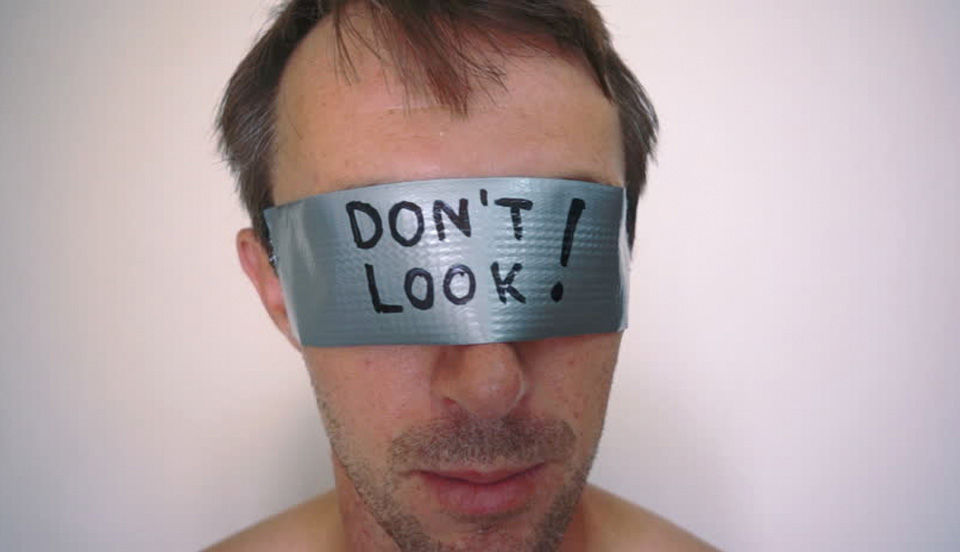
We were recently taken aback by an anonymous fan’s email to Kinkster MAG. Images arrived to our inbox of a to-be-nameless high profile person who has been an ardent activist for reducing stigma associated with being HIV+. This person appears to be active on a hook up site devoted to barebacking. It seems our fan was confused by the activist’s public message and what the activist was doing in their personal life. Could be that this activist was simply doing “research.” But whatever the case there seemed to be a disconnect and lack of clarity of message for our fan.
We didn’t investigate the images or allegation further because we’re not in the gossip business nor do we judge (unless you are making uninformed decisions). So I’m less concerned in this article about questioning sexual practices of an HIV+ individual and I’m not interested in questioning or discussing barebacking and the need for communication among individuals as they engage sexually with each other. There are plenty of thoughts from all sides of the conversation out there to read.
Before I get on with the question I pose based on this fan’s email, I do want to draw attention to the fact that the tensions and chasm existing in our community around barebacking, “condom fatigue,” being HIV+, and the lunacy of immediately rejecting someone simply for being HIV+ have existed for quite some time.
Mark S. King’s interview with “Middle” from 2010 provides some interesting historical context on this discussion. Middle, who at the time was a community advocate for reducing the stigma of being HIV+, ran a workshop at the 2010 Gay Men’s Health Summit. He shared that he was shunned by both the HIV+ community because he used condoms and by non-HIV+ men because he chose to tell them the truth about his positive status.
In a modern era, the conversation about HIV and being “sex positive” doesn’t appear to be around “safe sex” or the use of condoms but is definitely about whether or not to take PrEP and all that’s “wrapped up” in its use or non-use. For articles on PrEP I suggest checking out the work of Ben Ryan who has written extensively on the topic.
The question that came to mind from this fan’s email is about how we perceive and respond to someone positioned as a leader, activist, advocate, specialist, advisor, counselor, coach, or educator, who is later found to be engaging in activities appearing counter or questionable to what they espouse. What are we to do about mixed messages? And what should the activist do if there is a lack of clarity in their message?
This question also applies to, let’s say, a recovery coach who is seen engaging in behavior counter to their supporting an addict client on their path to recovery. If a recovery coach has been working with a client on their crystal meth addiction, but one night is seen sticking a needle into their own arm, how might that come across to the client? What is the client to do with this apparent mixed message? Is all hope lost?
Do messages from activists and advocates get muddled if their behavior appears counter to their message? Should we lose trust/faith, reject them outright, and find a new advocate to follow? Are we to hold these individuals to higher and/or different standards?
Or are they just individuals living a human existence and they should be given a pass? Is it our individual responsibility to resolve for ourselves the apparent dichotomy between what we’re told to do by the advocate and what the advocate does for themselves?
How might we apply the adage, “Do as I say, not as I do?” to community activists and health advocates?