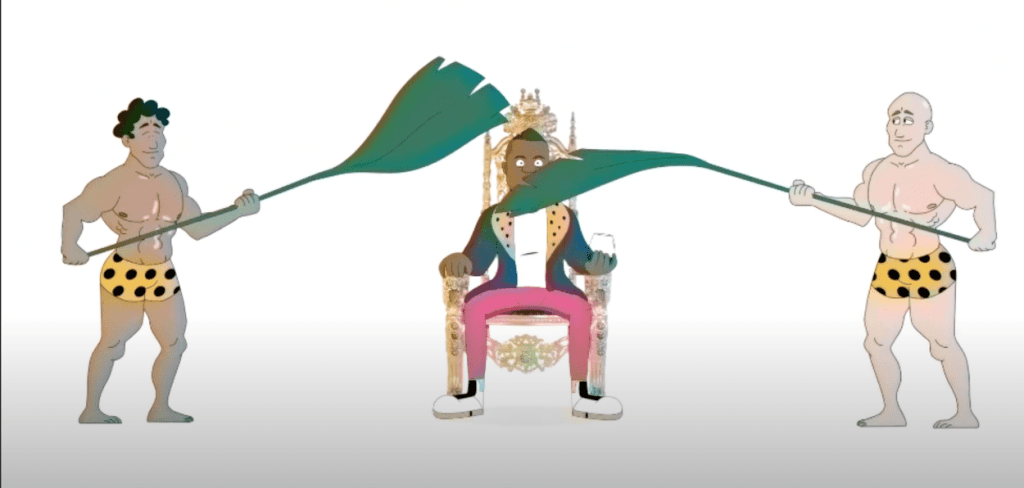

We’ve all done it before and we’ve experienced it first hand. Whether it happens during a random encounter on the streets when you meet your ex’s new boyfriend, or a friend brings a new friend for drinks, or the drag queen you meet in the club looks at you from your tip-toes to the top of your head, or you’re introducing yourself in an interview for a new job or business engagement, sizing up and getting sized up is a natural, pre-programmed, prehistoric mechanism to ensure survival.
When you meet someone for the first time, your brain and their brain are doing thousands of computations which are happening at lightening speeds. That prehistoric mechanism kicks in because we need to know in split seconds whether we are about to be killed or not.
The notion of first impressions has been researched and studied for many years. For over 15 years Amy J.C. Cuddy, Associate Professor of Business Administration and Hellman Faculty Fellow at Harvard Business School and her colleagues have been studying first impressions and identifying patterns within them.
Cuddy’s “research suggests that judgments along two critical trait dimensions – warmth/trustworthiness and competence/power – shape social interactions, determining such outcomes as who gets hired and who doesn’t, when we are more or less likely to take risks, why we admire, envy, or disparage certain people, elect politicians, or even target minority groups for genocide.” (Harvard University)
In her latest book, “Presence, Bringing Your Boldest Self to Your Biggest Challenges,” Cuddy says that people quickly answer two questions when they first meet you:
1) Can I trust this person? (also known by researchers as warmth)
2) Can I respect this person? (also known by researchers as competence)
In a professional environment competence is often listed as the more important criteria of first impressions, however, before someone can be deemed competent, we need to know if they are trustworthy, ie. in caveman terms, the person is not going to kill us. Once we know we can trust someone, then we can determine whether or not they can help us invent the wheel or start a fire, ie. competence.
Sometimes at first meetings, individuals we are introduced to go on and on about how competent they are, how many connections they have, share that they hold this degree and that degree. If you’re the one always boasting about your accomplishments and are constantly name dropping when you first meet someone, you need to understand that if you’re trying to influence that person and that person doesn’t trust you yet, you’re not going to get very far; in fact, your boastfulness might even elicit suspicion because you come across as manipulative. On the other hand, a warm, trustworthy person who is also strong elicits admiration. Only after you’ve established trust then your strength becomes a gift rather than a threat.
Another factor at play when getting sized up are verbal and non-verbal cues. These heavily influence first impressions as well and some research shows that non-verbal cues have over four times the impact on the impression you make than anything you say. Carol Kinsey Goman reported on seven non-verbal ways to make a good first impression which include: Adjusting your attitude; Straightening your posture; Smiling; Making eye contact; Raising your eyebrows; Shaking hands; and Leaning in slightly. (Forbes)
So how long does it take to form an impression? Seconds. Some research suggests that others make decisions about doing future business with you in just three seconds. Three seconds is not a lot of time. If you’re attempting to make a good first impression understand some of what’s happening during the encounter and make adjustments where necessary. Business Insider looked at 13 assumptions people make based on first impressions which might also provide some insight.
I think we all like to make good first impressions. It’s helpful to understand some of the science and research behind these interactions so we put ourselves in the best light possible.