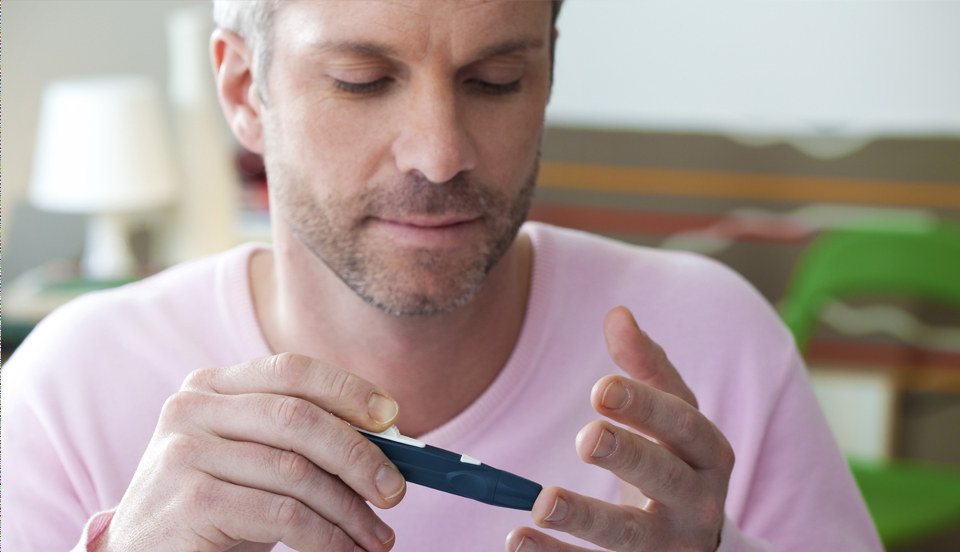
Type 2 diabetes is known as the silent killer and a life long disease that affects the way your body handles glucose, a kind of sugar in your body. About 27 million people in the USA suffer from this condition, and about 86 million have pre-diabetes. These people’s blood glucose is not normal, but it is not high enough to be diabetes as yet. Carrying around extra weight, especially around the middle can cause insulin resistance, and as a result, you end up with type 2 diabetes. Kids and teens with childhood obesity, become adults and suffer from pre-diabetes , and without controlling it, the result is type 2 diabetes.
Getting type 2 diabetes sometimes is out of one’s control. The chances of getting type 2 diabetes can be based on:
Age, 45 or older
Family or parent, sister , brother with diabetes/hereditary
The ethnic groups of African American, Asian American, Hispanic, or Latino, Pacific Islander American are known to carry this disease. Other risk factors are, getting little or no exercise, smoking, stress, sleeping too little or too much, eating high carb diets, sugary drinks, trans and saturated fats.
Some symptoms of type 2 diabetes can be very mild and then it goes unnoticed. Many people suffer from this disease and don’t even know it. Some of the symptoms include:
Being very thirsty
Peeing a lot
Blurry vision
Being irritable
Tingling or numbness in your hands and feet
Feeling worn out
Wounds that don’t heal
To find out if you have type 2 diabetes, you should get tested by your doctor to check your blood and your blood glucose to see if it is very high. For example, the A1C is an average of your blood glucose over the past 2 or 3 months. Fasting Plasma Glucose: measures your blood sugar on an empty stomach for 8 hours before the test. Oral Glucose Tolerance Test (OGTT) checks your blood glucose before and 2 hours after you drink a sweet drink to see how your body handles the sugar.
If you do not get treated, over time, type 2 diabetes can cause problems with: heart and blood vessels, kidneys, eyes, nerves, which can lead to trouble with digestion, feeling in your feet and sexual response. This disease is definitely a silent killer and should be taken care of immediately if you suspect you are pre-diabetic. I have a family member who suffers from this disease who did not take care of it immediately, and as a result had a loss of vision.
How do you manage your diabetes? Doctors and pharmaceutical companies want you to take medications and insulin as the only way to manage type 2 diabetes, but we all have choices in the way we manage our health and well-being. As a holistic and wellness coach, I believe in the holistic and alternative methods. Treatment with herbs or medicinal plant is the best natural medicine to take care of diabetes. It is important to take care of food that is ingested in the body. Additionally, regularly participating in physical exercise is important if you want to help cure the disease.
Pharmaceutical treatments can potentially cause side effects that will be harmful to the body. Some of the best medicinal plants that are beneficial for type 2 diabetes include cumins, where scientific studies have found that cumins a healthy plant with anti-diabetic properties which reduces the levels of blood glucose, both glucose and triglycerides.
Eucalyptus infusion is helpful in lowering sugar levels in the blood, so that allows people suffering from type 2 diabetes better control of the disease. Cayenne pepper infusion helps with the tingling in the feet and legs to reduce discomfort because it is one of the most vulnerable regions in these patients. You can take several sips of cayenne pepper throughout the day as well.
Fenugreek is also perfect for diabetics. It allows your body to tolerate glucose by taking fenugreek in plant seed powder form. Psyllium is a very unknown plant which helps control blood sugar, in addition to controlling blood cholesterol. Take 5 grams a day for 8 weeks to see results.
Having a healthy balanced diet and exercise and include meditation, will help in managing and curing type 2 diabetes.