Have you ever been told you’re too fat for Grindr? A recent study from the Psychology of Sexual Orientation and Gender Diversity shows you’re not alone.
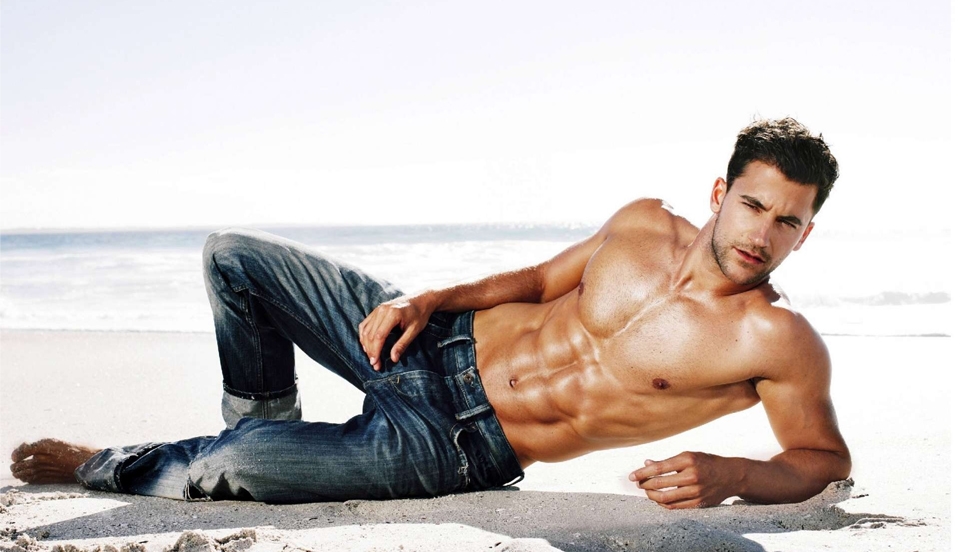
Images of what the perfect male body should look like have been shoved in my face for years. Don’t get me wrong, as a gay man I can appreciate a man who is dedicated to being healthy and committed to the daily routine of visiting the gym. However, it’s when those images become the staple of what is considered attractive, that I have an issue with.
The gay community has been dealing with body-shaming for years. Only in recent times are people beginning to notice the damage it can do to a person, their self-esteem and the impact is has on our society as a whole. Women have been dealing with this issue for decades. Media has shaped, conditioned and molded us to think beauty is based on how thin someone is (as well as the color of a person’s skin). It’s absurd to think a man or anyone for that matter should be shamed for being heavy.
“I’m tired of hearing people analyze — criticize — appraise — and hate on my body.”
That’s what men participating in a new BuzzFeed video, “Things Men Are Tired Of Hearing About Their Bodies,” are saying. In the video, men repeat body criticisms they’ve heard, ranging from “real men have facial hair” to “you’re too skinny to be a man.”
“If we all looked the same, I think that would be really boring,” one participant concludes. The video reminds us that, while women face incredible pressure to conform to societal beauty standards — to the point where their worth is often equated with their physical beauty — men suffer from body image struggles too.”
“Messages about the “perfect” body negatively affect men as they do women. A January 2014 study found that body-image pressure is increasingly affecting adolescent boys, and that those who were concerned with their weight were more likely to be depressed or engage in high-risk behaviors like binge drinking.” (Huffington Post Masculinity)
Realistically the everyday man looks nothing like the images that are thrust into our faces and online social media feeds. As an owner of an online publication I understand marketing and the importance of imagery. However, I don’t have to agree with it. The images of good-looking men who are in tip-top shape does generate website traffic but what does that say about our society and the gay community as a whole, especially if we do not show the spectrum of individuals that exist?
A very close friend and I have this debate all the time. He feels the images and labels of the gay community are oftentimes based on a guy’s physical appearance and the color of his skin. That’s exactly where the term, “gay white media” came from; in-shape, fit, gay, white twink or buff bro has become the epidemy of what’s considered “attractive.”
Let’s consider images of men who are part of the bear community. Even here images have changed over the years. It’s evolved so much that the images are now of guys who are overly fit and muscular, and mostly white. Personally, I don’t label myself but I can say that I am attracted to a guy with a little meat on his body. Whether that’s a bear or not I don’t know but images of the perfect body have created a community of self-righteous men.
Body-shaming in our community is on the rise and it needs to stop. It’s bad enough we have to be barraged with images of what media considers “normal.” Real talk…nothing in this world is perfect. Unfortunately, our community helps perpetuate these negative ideals and images and by not responding and asking for other types of images, we are creating a divided community.
The Daily Beast writes, “Gay men desperately need to champion our own body positivity movement, one that looks beyond tanned go-go boys and muscle beach bros. Sure, you can have a good body and an enlightened view of masculinity, and lots of people go to the gym for their own reasons. There’s nothing wrong with being buff, but a great shirtless selfie shouldn’t be a prerequisite for feeling like you’re man enough to belong.”
As part of the gay media I believe it’s time for us to start repairing our a community and start building a more fair and inclusive community; one that represents us all.