The underground dance and music scene has paved the pathway for gay youth to embrace their creativity and expand the hearts and minds of individuals who judged them solely based on who they slept with. However, the ballroom scene in the LGBT community is a staple and the essence of life and what it means to create a family.
In the early 60’s – 70s the ball culture was formed because our society was filled with discrimination, our LGBT youth being exiled from their families, abused, molested or made to feel ostracized because of their sexual orientation. Barriers in the NYC underground club/dance scene never stopped a community from unifying. Houses, also called “families,” were formed. These LGBTQ groups of individuals banded together under a “house mother” (sometimes a drag queen or transgender person) or “house father.” These houses created a safe-haven for our LGBT youth. Houses exist across the United States with most in major cities on the East Coast, the Midwest and the South (House of Infiniti, House of Mizrahi, House of Aviance, and House of Overness to name a few).
The ball culture is fascinating. LGBT youth have enriched a community that has faced struggles and adversity. It’s a culture I believe has not been given enough credit when it comes to releasing the chains of negativity associated with being gay. The ball culture allowed the LGBT youth to express themselves and shed light on a subculture that embraced the true essence of love, support and life. It’s a culture that created a safe place for our early LGBT youth to be creative and stay out of trouble.
By forming a family they were each loved, celebrated and able to be uniquely who they were.
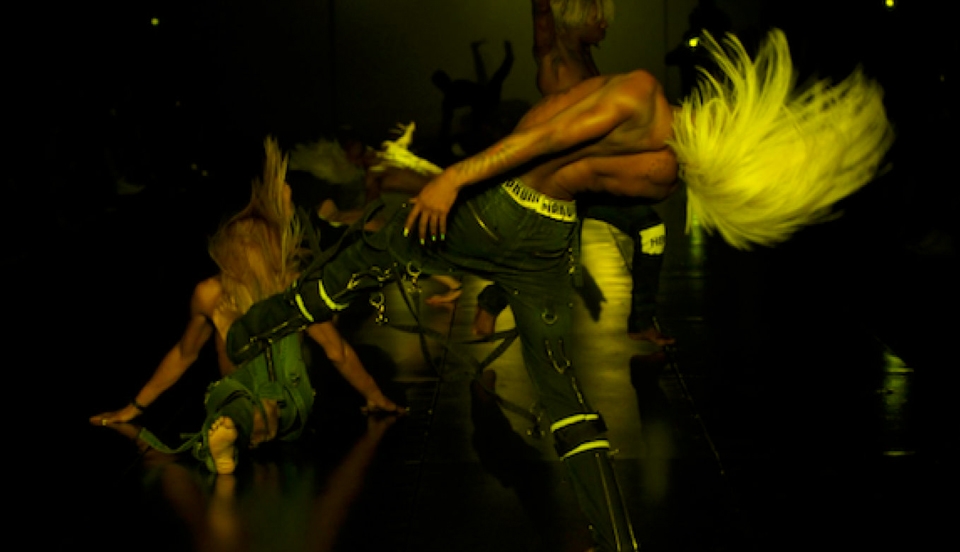
Recently, I was watching a Blake McGrath teaching a master class (below0 and the amazing choreography. I was so mesmerized by the music accompanying the video. The song was “Tens” a song off of Jennifer’s CD, ‘A.K.A.’
The moment I heard, ‘TENS’ the first thing, “TENS”, “TENS ACROSS THE BOARD” came to mind.” A phrase used when scoring a category within the ball culture when the performance was far and beyond excellent.
We love that Jennifer brought the ballroom culture to mainstream. The ballroom culture is NOT dead and because of tracks like ‘TENS’ it is kept alive and reaching mainstream audiences. It’s a culture that deserves respect and the attention of mainstream society.